Nannie Applique: A Designer’s Review for Craft Fairs
As an embroidery designer who has spent countless weekends behind a booth table, I know that not every design translates into a bestseller. Some look beautiful on a screen but get lost in the chaos of a market display. Others are so complex they eat up production time, killing your profit margin. Today, I am putting Nannie Applique under the microscope. This isn’t just about aesthetics; it is about viability for the craft fair seller, the Etsy shop owner, and the handmade entrepreneur.
The product description promises to "embellish your fabrics with this lovely embroidery design," targeting towels, pillows, and home decor with a touch of "whimsy and charm." The category is listed under Grandparents, which immediately signals a specific emotional hook. But does it hold up when you are trying to move inventory on a busy Saturday morning? Let’s break it down from a production and sales perspective.
First Impressions: Whimsy Meets Nostalgia
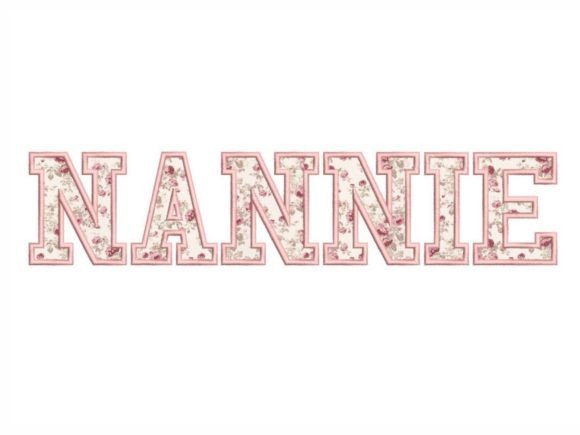
When I first loaded the Nannie Applique file into my software, the immediate vibe was soft, nostalgic, and undeniably sweet. It fits squarely into the "farmhouse chic" and "sentimental gift" niches. For a craft fair, this is gold. Shoppers at handmade markets are often looking for items that evoke memory and warmth. A design categorized under Grandparents suggests a connection to family heritage, making it a powerful trigger for impulse buys, especially during holiday seasons or Mother’s Day.
The term "appliqué" in the title is crucial. Applique designs generally cover large areas of fabric with a single piece of material, secured by stitching. This means less stitch time compared to full-fill satin designs, which is a massive win for batch production. However, it also means the visual impact relies heavily on your fabric choice and thread contrast. If the applique fabric blends too much with the base, the design loses its pop. If the contrast is too harsh, it might look cheap. Finding that balance is key to making this a premium handmade product.
Product Versatility and Booth Display Strategy
To maximize sales, you need to visualize where Nannie Applique lives. Based on the description, here is how I would deploy this design across a typical craft fair inventory:
- Tea Towel Embroidery: This is likely your highest volume seller. Linen or cotton tea towels provide a flat, stable surface that makes applique easy to hoop and stitch. The whimsical nature of the design pairs perfectly with kitchen decor trends.
- Tote Bag Design: Canvas totes are sturdy and popular. Placing the applique centrally on a natural-colored canvas bag creates a striking, minimalist look that appeals to eco-conscious shoppers.
- Apron Embroidery: A bib apron with this design transforms a utility item into a cherished gift. It speaks directly to the "Grandparents" category, suggesting baking cookies or gardening with grandchildren.
- Pillow Covers: While mentioned in the description, pillows require more careful handling. Ensure the applique fabric is pre-washed to prevent shrinking after the customer takes it home.
- Embroidered Patch: If the design scales down well, turning it into an iron-on or sew-on patch allows customers to customize their own jackets or bags, expanding your target audience to younger demographics.
For your booth display, consistency is vital. Use the same thread palette across all items to create a cohesive brand identity. A row of matching tea towels and aprons featuring Nannie Applique creates a visual block that draws the eye from a distance, far better than scattered, mismatched items.
Production Realities and Technical Notes
Before you commit to stitching fifty units, you must address the technical realities of working with applique. Since the provided description cuts off at "comes with mu," I cannot confirm the exact file formats or hoop sizes included. As a professional, I advise you to verify these details immediately. You need to know if you are getting DST, PES, or JEF files, and whether the design fits your standard 5x7 or 4x4 hoop.
Here are critical production checkpoints for this specific type of design:
- Fabric Texture: Applique looks best on smooth, tightly woven fabrics. Avoid highly textured towels or fuzzy fleece for the base, as the placement stitch may get lost, leading to misaligned cuts.
- Stitch Density: Check the tack-down stitches. If they are too dense, they can pucker lightweight fabrics like cotton voile. If they are too sparse, the applique fabric may fray or shift during washing.
- Thread Colors: Choose threads that complement, not compete. A monochromatic look (e.g., cream thread on cream fabric) feels elegant and modern, while contrasting thread highlights the whimsical outline.
- Stabilizer Selection: Because applique adds layers, you need a stabilizer that supports the weight without being stiff. A cut-away stabilizer is often safer for items like tote bags that will undergo stress, while tear-away might suffice for decorative pillows.
- Curved Surfaces: If you plan to put this on caps, be warned. Applique on curved surfaces requires precise hooping and often a specialized cap frame. Misalignment is much more noticeable here than on flat goods.
Marketing and Digital Presence
For the Etsy seller or digital creator, Nannie Applique offers strong potential for online engagement. The key is photography. Applique has texture and dimension that flat prints lack. Use natural light to capture the shadow and depth of the stitched edges. Create a printable mockup that shows the design in situ—on a cozy armchair pillow or a sunlit kitchen counter.
When listing this as a digital embroidery file, clarity is your friend. Explicitly state the recommended fabric types and hoop sizes. Buyers of commercial embroidery assets want to know if the design is tested and reliable. If you are selling finished goods, emphasize the "handmade quality" in your descriptions. Mention that each piece is carefully hooped and stitched, distinguishing it from mass-produced imports.
Consider the "Grandparents" angle in your SEO keywords. Phrases like "gift for grandma," "nursery decor," and "family heirloom style" can drive targeted traffic. However, ensure the design doesn't feel outdated. Modernize it by pairing it with contemporary color palettes—think sage greens, muted terracottas, or crisp navy blues rather than overly bright primary colors.
Final Verdict for the Creative Entrepreneur
Nannie Applique is a strong contender for your craft fair product lineup, provided you respect the technical requirements of applique work. It bridges the gap between sentimental value and modern home decor. Its strength lies in its versatility; it works equally well on a small pouch or a large market bag.
My advice is to start small. Stitch a test run on scrap fabric to check the registration of the applique pieces. Verify that the cut lines are clean and that the satin stitch border is smooth. Once you are confident in the stitch density and alignment, scale up to your best-selling items. Remember, in the world of handmade sales, perceived value is everything. A well-executed applique design looks expensive and thoughtful, allowing you to price your small shop product accordingly.
Always confirm the commercial licensing terms before selling. If the file includes full commercial rights, you are free to use it on unlimited physical products. If not, you may need to purchase an extended license. Protecting your business legally is just as important as protecting your artistic reputation.
In conclusion, if you are looking to add warmth and charm to your booth, Nannie Applique is a design worth investing time in. It invites connection, tells a story, and, when produced with care, becomes a cherished item in someone’s home. That is the ultimate goal of any embroidery designer.