Grandma Applique: A Designer’s Review for Real Projects
As a designer who spends half my life staring at stitch simulations and the other half wrestling with hoop tension, I have learned to be skeptical of cute concepts. We see thousands of machine embroidery design files every week, promising charm and ease. But when I pulled up the Grandma Applique file on my screen, I wasn’t looking for hype. I was looking for utility. Could this actually work on a client’s sweatshirt? Would it hold up on a tote bag after five washes? Is it viable for an Etsy seller trying to stand out in a saturated market?
Here is my honest assessment of how this design performs in the real world, beyond the glossy preview images.
First Impressions: Mood and Visual Personality
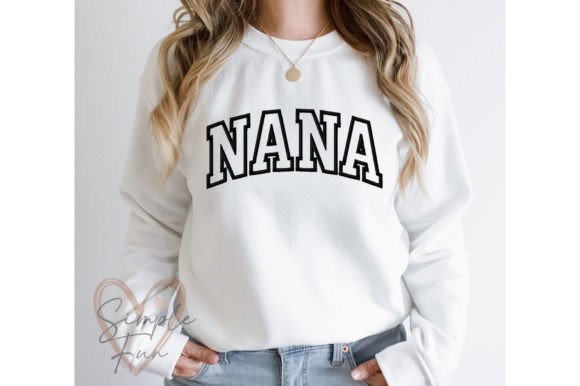
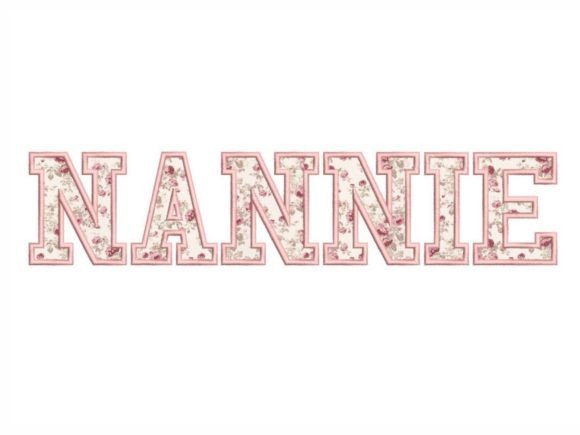
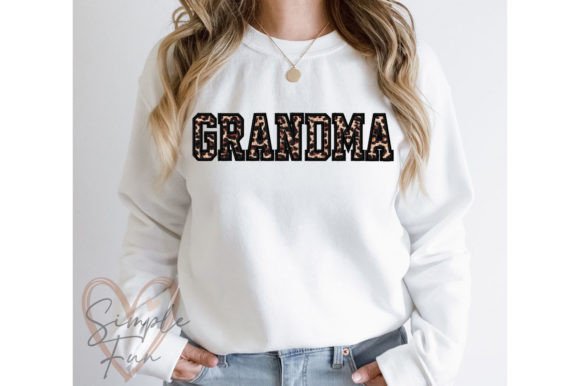
The immediate appeal of Grandma Applique lies in its nostalgic warmth. It does not try to be overly complex or hyper-realistic. Instead, it leans into the cozy, handcrafted aesthetic that defines modern Grandparents themed gifts. The layout feels balanced, avoiding the cluttered look that plagues so many amateur applique design files.
From a visual standpoint, the shapes are clean. This is crucial. In Embroidery, complexity is often the enemy of quality. If the lines are too jagged or the details too minute, the machine struggles, and the thread breaks. This design appears to respect the limitations of the medium. It suggests a softness that pairs well with fleece, cotton, and linen. It feels like a hug stitched into fabric, which is exactly the emotional response you want from a personalized gift.
The Real-World Test: A Custom Tote Bag Scenario
To truly evaluate a design, you must imagine it on a specific product. Let’s say a customer commissions a heavy canvas tote bag design for a grandmother’s birthday. They want something durable, stylish, and personal.
I loaded the file into my software to simulate the stitching on a textured canvas background. Here is what I noticed:
- Stitch Clarity: The applique edges need to be sharp. If the satin stitch border is too narrow, it might get lost in the weave of the canvas. If it is too wide, it becomes stiff and uncomfortable to hold. This design seems to strike a middle ground, but I would recommend testing the width on your specific machine.
- Color Contrast: On a natural beige canvas, a dark thread color for the outline creates a beautiful, vintage look. However, if you use pastel threads, ensure the thread colors contrast enough against the fabric. Low contrast can make the design look muddy from a distance.
- Stabilizer Needs: Canvas is stable, but applique adds bulk. Using a cut-away stabilizer is non-negotiable here to prevent puckering around the cut edges of the fabric pieces.
This scenario highlights why Grandma Applique is more than just a cute image; it is a functional component of a handmade product. It transforms a basic bag into a heirloom-quality item.
Versatility Across Products
One of the strongest assets of this design is its adaptability. It is not limited to one type of garment. I can see it working effectively in several commercial contexts:
- Sweatshirt Embroidery: This is perhaps the most natural fit. The softness of the design complements the fuzzy texture of fleece or French terry cloth. It works beautifully as a chest pocket accent or a larger back piece.
- Baby Embroidery: For new grandparents, this design shines on onesies or burp cloths. However, caution is needed. Ensure the applique fabric is soft and hypoallergenic, and that no small loose threads remain near the baby’s face.
- Holiday Embroidery: During the winter season, this design fits perfectly on kitchen towels or aprons. It adds a festive, familial touch without being overtly Christmas-themed, giving it a longer shelf life for small shop product inventories.
- Custom Apparel: Beyond sweaters, consider denim jackets. The rugged texture of denim contrasts nicely with the soft applique elements, creating a trendy, boutique look.
Technical Considerations and Pitfalls
While the design is strong, it is not without its challenges. As a professional, you must anticipate where things could go wrong.
Fabric Texture and Thickness: Applique involves layering. If you are stitching this on a thin, stretchy fabric like a lightweight t-shirt, you risk distortion. The weight of the applique fabric plus the stitches can pull the garment out of shape. Always use a high-quality stabilizer and consider interfacing the area before hooping.
Small Hoop Sizes: If you are using a 4x4 hoop, check the scaling carefully. Shrinking an applique design too much can cause the satin stitches to become too dense, leading to thread breaks or fabric perforation. Conversely, enlarging it too much for a large hoop might expose gaps in the fill stitch coverage if the original density was calibrated for a smaller size.
Curved Surfaces: Stitching on caps or hats requires extra precision. The curvature of a cap brim can distort the design. I recommend digitizing a slight compensation or carefully positioning the design to avoid the steepest curves. This is critical for maintaining the professional look of an embroidered patch style application.
Commercial Value and Brand Consistency
For craft business owners and digital embroidery file sellers, the value of Grandma Applique extends beyond aesthetics. It is about brand consistency and customer trust.
When a customer buys a personalized gift, they are buying an experience. A clean, well-executed design signals professionalism. Sloppy edges or poor color choices signal amateurism. This design, when executed correctly, elevates the perceived value of the finished product. It allows you to charge a premium because it looks intentional and high-quality.
Furthermore, using versatile designs like this helps build a cohesive brand identity. If your shop specializes in family-centric items, having a reliable, go-to design for grandmothers streamlines your production process. You can create printable mockup assets quickly, knowing the design will look good on various backgrounds.
Practical Designer Notes for Execution
Before you sell your first item or gift this to a loved one, follow these practical steps:
- Test on Scrap Fabric: Never stitch directly on your final garment. Use a scrap piece of the same fabric and weight to test tension and registration.
- Check Stitch Density: Review the stitch density in your software. If it looks too crowded, reduce the density slightly to prevent stiffness.
- Inspect Small Details: Zoom in on the corners of the applique. Are there enough tack-down stitches? If not, add manual running stitches to secure the edges before the final satin border.
- Confirm Licensing: The product description notes this is not an iron-on or patch, but a machine design. Always verify the license terms for commercial embroidery use. Can you sell finished items? Can you share the file? Clarify this before listing on Etsy or other platforms.
- Mockup in Black and White: Convert your preview to grayscale. If the design loses its definition in black and white, it lacks sufficient contrast. Adjust your thread choices accordingly.
Final Verdict
Grandma Applique is a solid addition to any designer’s library. It balances emotional appeal with technical feasibility. It is not just a pretty picture; it is a functional design asset that, when handled with care, produces high-quality custom apparel and gifts.
For the hobbyist, it offers a satisfying project with a high success rate. For the professional, it offers a reliable template for creating profitable, heartfelt products. Just remember: the design is only as good as your execution. Respect the fabric, choose your stabilizer wisely, and stitch with intention. The result will be a piece that honors the sentiment behind the word "Grandma" with the quality it deserves.