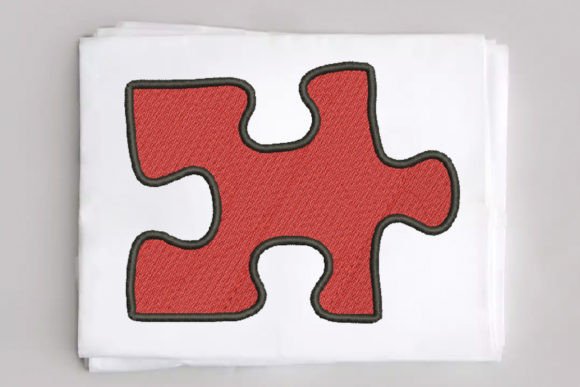
Mini Puzzle Piece: A Designer’s Review for Craft Fairs
As an embroidery designer who has spent countless hours behind the hoop and even more time standing behind a booth table at weekend markets, I know that not every design translates into a bestseller. Some designs are technically impressive but visually quiet; others are bold but impractical to stitch out in bulk. Today, I am reviewing the Mini Puzzle Piece, a digital embroidery file positioned within the Awareness category. My goal is to evaluate this design not just as art, but as a viable craft fair product for handmade shop owners, Etsy sellers, and creative entrepreneurs looking to expand their inventory with meaningful items.
First Impressions and Visual Appeal
The first thing that strikes me about the Mini Puzzle Piece is its immediate recognizability. In the context of a busy craft fair, you have mere seconds to catch a passerby’s eye. This design does not rely on intricate shading or complex gradients. Instead, it offers a clean, symbolic representation of solidarity with people who suffer from autism. The aesthetic leans toward the cute and modern side of the spectrum, making it versatile enough for both children’s items and adult apparel.
From a design perspective, the simplicity is its strength. It feels approachable and soft, avoiding the clinical look that some medical awareness symbols can sometimes carry. For a boutique maker, this means the design fits seamlessly into a brand identity that values warmth, community, and handmade quality. It is decorative without being overly festive, allowing it to remain relevant year-round rather than being confined to a specific awareness month.
Product Applications for Maximum Sales
When preparing a table display, variety is key, but cohesion is what drives sales. I evaluated where the Mini Puzzle Piece would perform best across common handmade products. Here is how it stacks up on different substrates:
- Tote Bags and Market Bags: This is arguably the strongest application. A tote bag offers a large, flat canvas where the design can serve as a focal point. As a tote bag design, it appeals to shoppers looking for functional advocacy wear. The flat fabric ensures the stitch density remains consistent, preventing puckering.
- Aprons and Tea Towels: Kitchen textiles are huge sellers at fairs. Apron embroidery featuring this symbol creates a thoughtful gift item for teachers, therapists, and family members. Similarly, tea towel embroidery works well if the design is scaled correctly, offering a subtle nod to awareness in home decor.
- Embroidered Patches: Patches are low-commitment purchases for customers. An embroidered patch allows buyers to add the symbol to existing jackets or bags. This is a high-margin small shop product that requires minimal production time per unit once the batch is stitched.
- Caps and Hats: While popular, curved cap surfaces present challenges. The design must be digitized with careful underlay to prevent shifting on the structured front panel. If the details are too tiny, they may get lost in the fabric texture of twill caps.
- Pillow Covers and Pouches: These make excellent giftable handmade items. The design acts as a central motif, balancing well with solid-colored fabrics.
Production Practicality for Batch Selling
For any Etsy seller or commercial embroidery business, time is money. The Mini Puzzle Piece appears to be designed for efficiency. Because it is described as "mini," it likely utilizes a smaller hoop size, which means faster run times and less machine monitoring. This is crucial for creating inventory for a weekend craft fair booth.
The design’s clarity at a glance is a major selling point. Customers do not need to lean in to understand the message. This immediacy translates well to printable mockups for online listings. When you create a digital embroidery file listing, having a design that photographs clearly against various fabric colors increases click-through rates. However, producers must be mindful of thread colors. High contrast is essential. Using bright, primary colors against dark fabric can make the puzzle piece pop, while pastel threads on white linen offer a softer, more premium look.
Technical Considerations and Careful Use
While the design is appealing, there are technical pitfalls to avoid. As an experienced designer, I advise checking the stitch density before running a full batch. Dense stitch areas can cause fabric distortion, especially on lightweight materials like rayon tea towels. Always use the appropriate stabilizer. For stretchy fabrics like t-shirts or tote bags, a cut-away stabilizer is often necessary to maintain the shape of the puzzle piece over time.
Tiny details can be problematic if the design is scaled down too far. If you are creating an embroidered patch, ensure the smallest segments of the puzzle piece are wide enough to hold the thread without breaking. Additionally, thick fabric like denim or canvas may require a larger needle and adjusted tension to prevent thread breaks. Always test the design on scrap fabric that matches your final product material. This step confirms that the hoop size is appropriate and that the spacing between color changes is logical for efficient production.
Enhancing Brand Consistency and Buyer Engagement
Incorporating the Mini Puzzle Piece into your product line can strengthen your brand’s commitment to social causes. For creative entrepreneurs, selling finished products that support awareness creates an emotional connection with buyers. It transforms a simple transaction into a statement of solidarity. This emotional resonance often leads to higher buyer engagement and repeat customers who appreciate the values behind the brand.
To maximize this effect, consider how the design looks in your booth display. Grouping items with this motif together creates a dedicated "Awareness" section that draws attention. Use clear signage to explain the significance of the puzzle piece, educating customers while showcasing your embroidery skills. This educational aspect adds value to the handmade product, justifying a higher price point compared to generic decor.
Final Designer Notes for Commercial Success
Before you list this as a commercial embroidery product or sell finished goods, there are critical steps to take. First, confirm the commercial licensing terms of the digital embroidery file. Not all design assets allow for unlimited sales of finished products. Second, create at least one real mockup on your intended fabric. Photos of the actual stitched item perform better than digital renderings because they show the true texture and sheen of the thread.
Compare fabric colors to find the most flattering combinations. A design that looks vibrant on cotton might appear dull on polyester blends. Finally, inspect the stitch count and file format compatibility with your machine. While the description highlights the beauty and purpose of the design, it does not specify exact technical metrics. Therefore, downloading a sample or checking the provider’s specifications is essential to ensure smooth production.
In conclusion, the Mini Puzzle Piece is a strong contender for craft fair inventories. It balances emotional significance with practical design elements. For the handmade shop owner willing to pay attention to fabric choice, stabilizer selection, and presentation, this design offers a reliable path to creating meaningful, sellable goods that resonate with a wide audience.