Nana Applique: A Designer’s Review for Craft Fairs
As an embroidery designer who has spent countless hours digitizing and testing patterns, I approach every new machine embroidery design with a critical eye. It is not just about how it looks on the screen; it is about how it performs in the real world. Recently, I evaluated the Nana Applique design, specifically looking at its potential for craft fair booths and handmade market products. For those of us selling to the Grandparents demographic, finding a design that balances sentimentality with modern aesthetic appeal is crucial. This review breaks down why this pattern might be the perfect addition to your next product line.
First Impressions: Sentiment Meets Style
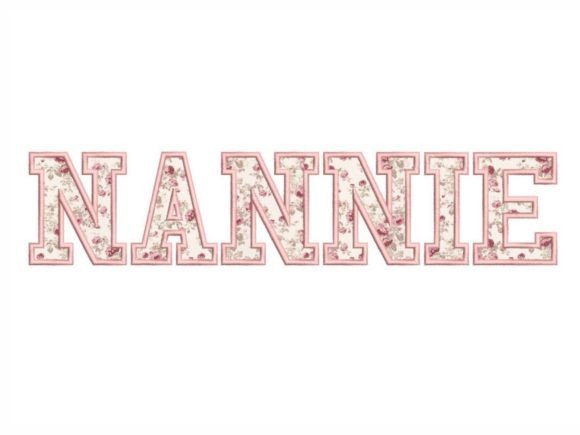
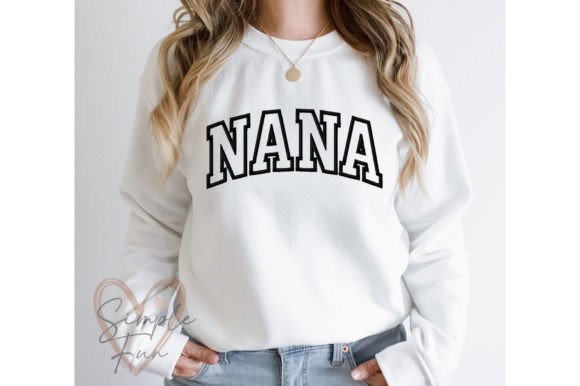
The first thing that strikes me about Nana Applique is its versatility. The description notes it features a "Nana quote," which immediately signals its target audience. However, the use of appliqué suggests a texture and depth that flat stitching often lacks. In a crowded craft fair environment, texture stops the scroll of a customer’s eyes. This design does not feel overly rustic or strictly farmhouse; instead, it leans toward a soft, decorative style that feels premium. It avoids the trap of looking like a generic clip-art conversion, offering a curated look that appeals to buyers seeking high-quality handmade product items.
When I visualize this on a display table, I see it working beautifully across various fabric types. The appliqué technique allows for creative freedom in color matching. You are not locked into specific thread colors for the main shape, which means you can customize each piece to match current trends or seasonal palettes. This adaptability is a massive advantage for a small shop product lineup where consistency in branding is key, but variety in inventory is necessary.
Product Applications and Market Fit
To truly understand the value of an embroidery file, we must imagine it on actual goods. Here is how I see Nana Applique performing across different categories:
- Tote Bags and Market Bags: This is perhaps the strongest contender. A canvas tote with a large, centered appliqué becomes an instant tote bag design staple. The durability of the appliqué holds up well against the wear and tear of grocery runs, making it a practical gift.
- Aprons and Kitchen Textiles: For apron embroidery, the design sits perfectly on the bib or the lower skirt. It transforms a standard kitchen tool into a cherished keepsake. Similarly, tea towel embroidery benefits from the lighter weight of appliqué, preventing the towel from becoming stiff or bulky.
- Caps and Hats: Applying this to curved surfaces requires precision. If the design elements are not too wide, it can work on dad hats. However, one must be cautious of the hoop size limitations and the curvature of the cap front.
- Patches and Pouches: Creating an embroidered patch allows for batch production. You can stitch multiple patches on a single sheet of stabilizer, cut them out, and sell them as add-ons or iron-on alternatives (though note: this is not an iron-on itself, but can be sewn on). Small fabric pouches also benefit from this design as a focal point.
For Etsy seller accounts, these applications provide diverse listing opportunities. You are not just selling one item; you are selling a theme. The visual appeal of the appliqué adds perceived value, allowing for higher price points compared to simple satin-stitch designs.
Production Practicality and Batch Efficiency
From a production standpoint, time is money. Appliqué designs are generally faster to stitch than dense fill designs because the machine spends less time laying down thousands of stitches. Instead, it places a tack-down stitch, pauses for you to place the fabric, and then finishes with a satin or blanket stitch border. This makes Nana Applique highly suitable for batch production during the busy holiday season.
However, there are careful-use notes to consider. While appliqué reduces stitch density, the placement of the fabric layer is critical. If the fabric shifts even a millimeter, the border stitch may miss the edge, ruining the finished product. For craft fair sellers, this means you must develop a reliable workflow. Using spray adhesive or temporary hoop markers can help secure the appliqué fabric before the final stitch-out.
Photography is another major factor. Appliqué photographs exceptionally well because the contrast between the base fabric and the appliqué fabric creates natural depth. This makes creating a printable mockup or real-life product photos much easier. The design stands out in thumbnail images, which is vital for online design assets and digital listings.
Technical Considerations for Designers
Before you commit to producing fifty units, you must test. Every machine behaves differently. I recommend stitching Nana Applique on scrap fabric first. Pay close attention to the following:
- Fabric Texture: Textured towels can sometimes hide the fine details of the border stitch. Ensure the contrast between the thread and the towel is high enough to maintain clarity.
- Stabilizer Choice: Because appliqué involves multiple layers, using the right stabilizer is non-negotiable. A cut-away stabilizer is often best for garments that will be washed frequently, while tear-away might suffice for home decor items that see less stress.
- Thread Contrast: Test different thread colors against your appliqué fabric. A monochromatic look can be elegant, but a contrasting border defines the shape and makes the design pop.
- Size and Clarity: If you plan to shrink the design for small pouches, check if the text remains legible. Tiny lettering can become illegible if scaled down too far. Always verify the minimum viable size.
It is also important to note that this is a digital embroidery file, not a physical patch. The description explicitly states it is "Not an iron-on or patch." This distinction is vital for customer expectations. You are selling the labor and artistry of the embroidery, or the digital file itself if you are a commercial embroidery digitizer. Ensure you have the correct commercial licensing before selling finished goods. If the license terms are not clearly included in the download, contact the creator immediately.
Boosting Brand Consistency and Buyer Engagement
Incorporating Nana Applique into your lineup does more than just add a product; it strengthens your brand narrative. It shows that you understand your customer’s emotional connection to family. When a buyer sees a cohesive collection of bags, aprons, and towels featuring this design, it creates a sense of trust and professionalism. It signals that you are not just throwing random designs on blanks, but curating a thoughtful collection.
For booth displays, use this design to create height and interest. Hang aprons at eye level, stack folded towels with the design visible, and place tote bags on hooks. The tactile nature of the appliqué invites customers to touch the product, increasing engagement. Once they touch it, they are more likely to buy it.
In conclusion, Nana Applique is a strong contender for any craft fair product lineup targeting the grandparent niche. Its blend of sentimental value, textural appeal, and production efficiency makes it a smart choice for both novice and experienced makers. By paying attention to fabric choices, stabilizer selection, and presentation, you can turn this Embroidery design into a bestseller. Remember to check all technical specifications regarding hoop size and file formats before starting your production run, and always prioritize quality control to ensure every item reflects the high standards of your handmade business.