Dainty Border: A Designer’s Review for Craft Fairs
As an embroidery designer who has spent countless weekends behind a booth table, I know that the difference between a browser and a buyer often comes down to visual impact. When I first loaded the Dainty Border machine embroidery design into my software, my immediate impression was one of refined simplicity. In a market saturated with loud, oversized graphics, there is a distinct premium quality to subtle, well-executed accents. This design does not scream for attention; instead, it invites the viewer closer. For craft fair sellers and handmade shop owners, this "quiet luxury" aesthetic can be a powerful tool for elevating perceived value.
First Impressions and Aesthetic Appeal
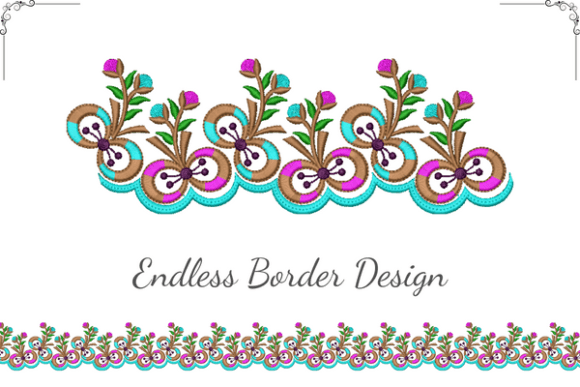
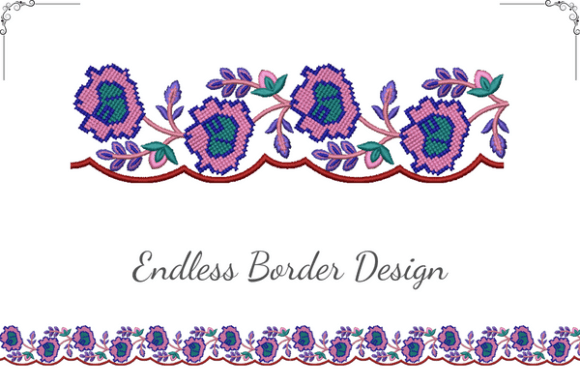
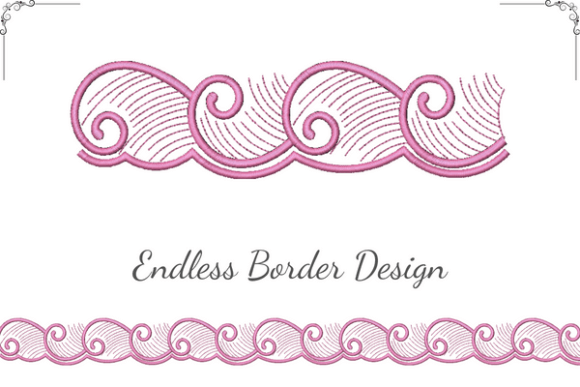
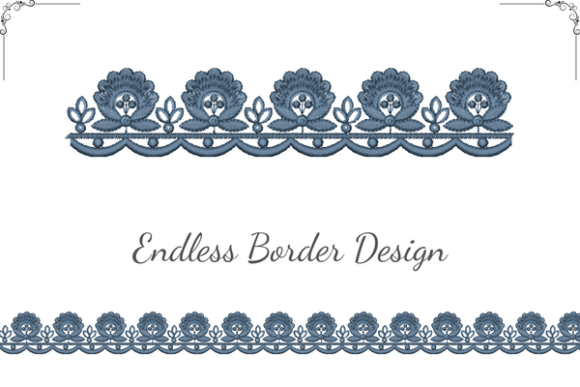
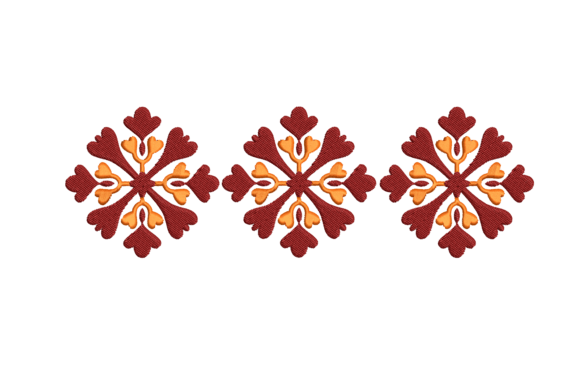
The title Dainty Border sets a clear expectation, and the design delivers on that promise. It feels elegant, soft, and undeniably decorative. It is not rustic or farmhouse in a rough-hewn way, nor is it modern minimalism stripped of all character. Rather, it sits comfortably in a classic, timeless space. The description notes that this adorable embroidery will give your fabrics an extraordinary look, and I believe this is achieved through its versatility as an accent piece. It is the kind of embroidery file that makes a plain item feel finished and intentional.
For those of us creating small shop products, understanding the mood of a design is crucial. Dainty Border exudes a sense of care. It suggests that the maker took the time to add a delicate touch rather than just slapping a large logo on a blank canvas. This emotional connection is vital for Etsy sellers and boutique makers who rely on brand consistency and high-quality presentation.
Strategic Product Placement for Maximum Sales
When preparing my inventory for a weekend craft fair, I am always evaluating which products will best showcase a specific design. Dainty Border is not a focal point design; it is a supporting actor that steals the show by enhancing the main event. Here is how I would strategically apply this digital embroidery file across various product lines:
- Tote Bag Design: Instead of placing a large graphic in the center, use Dainty Border along the bottom hem or the top edge of a canvas tote. This frames the bag beautifully and adds a custom feel without overwhelming the fabric.
- Apron Embroidery: An apron is a perfect canvas for borders. Stitching this design along the bib edge or the waistband tie creates a cohesive, professional look that appeals to home cooks and hosting enthusiasts.
- Tea Towel Embroidery: Kitchen textiles are high-volume sellers. A delicate border at the end of a linen tea towel transforms a utility item into a giftable heirloom. It photographs exceptionally well for online listings.
- Embroidered Patch: If the hoop size allows, this could work as a standalone patch. However, given its nature as a border, it may require a specific shape, such as a long rectangle, to maintain its integrity.
- Pillow Covers and Pouches: Framing the opening of a zippered pouch or running along the seam of a pillow cover adds a layer of sophistication. It turns basic sewing projects into premium handmade products.
The key here is repetition. Because Dainty Border is designed to accent, it works best when it defines edges. This makes it ideal for batch production, a critical factor for craft fair product profitability. You can set up your hoop once and run multiple items with consistent placement, ensuring every piece looks uniform and professional.
Production Realities and Technical Considerations
While the aesthetic appeal is strong, any experienced embroiderer knows that technical execution is where profits are made or lost. The product description mentions that this machine embroidery design comes with multiple embr, which likely refers to multiple formats or sizes. This is a significant advantage. However, before committing to a large production run, you must address several practical points.
Stitch density is a primary concern with border designs. If the stitches are too dense, they can cause puckering, especially on lighter fabrics like cotton voile or thin linen. Conversely, if the density is too low, the fabric might show through, breaking the visual line. I strongly advise testing the design on scrap fabric that matches your final product material. Check the back of the embroidery to ensure the stabilizer is holding up and that there is no excessive pull.
Fabric texture also plays a massive role. Dainty Border will look crisp on smooth cottons and poly-blends. On textured towels or heavy canvas, the finer details might get lost. For thick fabric, you may need to adjust your tension or use a stronger needle to prevent skipped stitches. Additionally, consider thread colors carefully. A high-contrast thread will make the border pop, while a tonal thread (such as cream on white) will offer a subtle, textural elegance. Both approaches sell, but they appeal to different customer bases.
Another critical factor is the hoop size. Ensure that the dimensions of the design fit comfortably within your standard hoops without requiring constant re-hooping, which slows down production. If you are embroidering on curved surfaces like caps, be cautious. Borders can distort on curved seams unless properly stabilized and positioned. Always create at least one real mockup before listing items as commercial embroidery products to confirm the visual result matches your digital preview.
Enhancing Visual Appeal and Buyer Engagement
In a crowded marketplace, clarity is king. Dainty Border is easy to understand at a glance. Customers do not need to decipher complex imagery; they immediately recognize it as a decorative enhancement. This instant recognition reduces cognitive load for the buyer, making the purchase decision easier. When photographing your finished product for Etsy or social media, focus on close-ups. Show the texture of the stitches against the fabric. Use natural light to highlight the sheen of the thread.
For printable mockup creation, this design is a goldmine. Because it is a border, it can be digitally overlaid on various product images to show potential customers how it looks on different colors and items. This saves time and allows you to test market interest before stitching a single thread. It also helps in maintaining brand consistency across your design assets.
Furthermore, the perceived value of a product increases significantly with detailed finishing. A plain tote bag might sell for $15, but a tote bag with a perfectly stitched, elegant border can command $25 or more. The Dainty Border acts as a signal of quality. It tells the customer that this is not mass-produced junk, but a thoughtful handmade product created with skill and attention to detail.
Final Verdict for the Creative Entrepreneur
Before you launch this design into your lineup, remember to check the specific license terms. The description implies versatility, but you must confirm commercial licensing rights to ensure you are legally covered when selling finished goods. Also, verify the exact file formats included to ensure compatibility with your machine.
In conclusion, Dainty Border is a strategic addition to any embroidery business focused on Borders and accent work. It is not just about adding thread to fabric; it is about adding value to your brand. By using this design on tote bags, aprons, and kitchen textiles, you create a cohesive collection that feels premium and polished. It is practical for batch production, visually appealing in photos, and emotionally resonant with buyers who appreciate the handmade touch. For the creative entrepreneur looking to refine their product line with elegant, sellable items, this design is a worthy investment.