Rose Flower Border: A Designer’s Review for Real Projects
As an embroidery designer who spends countless hours digitizing and testing files, I have learned that not every machine embroidery design looks as good on fabric as it does in a digital preview. When I first encountered the Rose Flower Border on Creative Fabrica, I was immediately drawn to its classic aesthetic. It promises a colorful look suitable for pillows, towels, apparel, and home decor, but the real question for any serious crafter or small business owner is: how does it perform under the needle?
I decided to review this product not just as a browser of digital assets, but as a maker preparing for real customer orders. Whether you are an Etsy seller looking to expand your catalog of handmade gifts or a boutique owner updating your seasonal merchandise, understanding the practical application of a digital embroidery file is crucial before you hit download.
First Impressions and Visual Mood
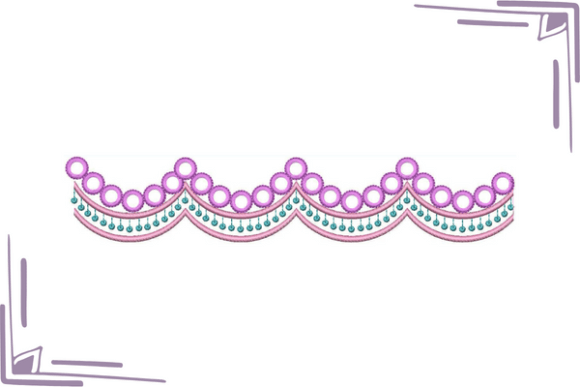
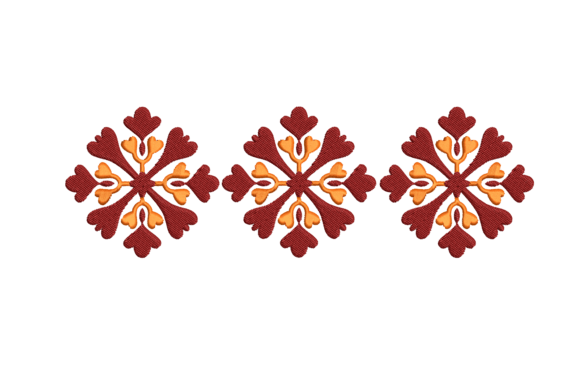
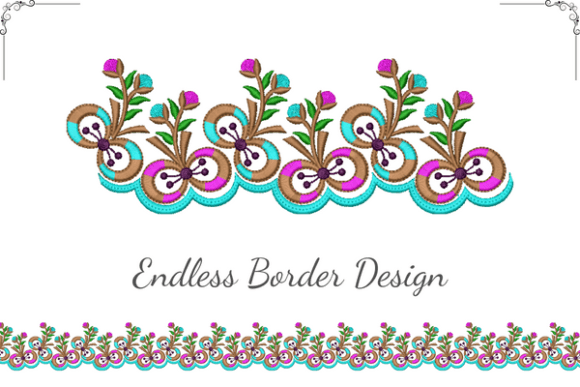
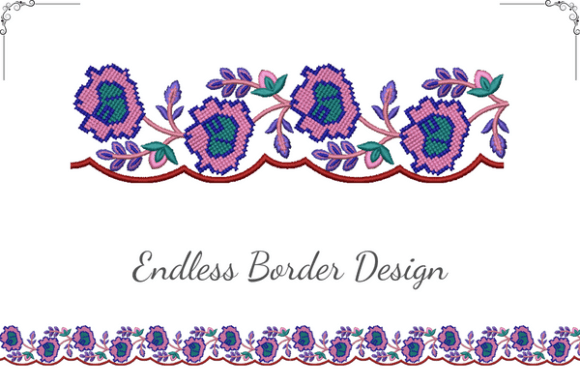
The Rose Flower Border falls squarely into the Borders category, which is often overlooked in favor of standalone motifs. However, borders are essential for framing designs on larger items like tote bags or pillow covers. The visual mood here is romantic and traditional, featuring lush rose elements that suggest a high level of decorative appeal. For designers who value brand consistency, this type of floral motif fits seamlessly into shops that specialize in cottagecore, vintage-inspired, or feminine aesthetics.
What stands out initially is the potential for color variation. Roses are forgiving when it comes to thread colors; you can shift from soft pastels for a nursery decor item to bold reds and greens for a striking kitchen towel. This versatility makes it a strong candidate for a versatile design asset in your library. It does not scream "trendy" in a way that will date your inventory next season, which is a significant plus for long-term product viability.
Practical Application in Commercial Embroidery
When considering commercial embroidery, we must look beyond the pretty picture and think about production efficiency and end-use durability. The product description notes that this design can be embroidered on any fabric, but experienced stitchers know that fabric choice dictates success. Here is how I envision using this border in real-world scenarios:
- Custom Apparel and Sweatshirts: Placing a floral border along the hem of a sweatshirt or across the chest of a tee can elevate a basic garment into a high-value personalized gift. The continuous nature of a border allows for easy scaling, provided you maintain the integrity of the stitch paths.
- Tote Bag Design: Canvas tote bags are sturdy and handle dense stitching well. A rose border running along the top edge or bottom seam adds a professional finish that distinguishes your handmade product from mass-produced alternatives.
- Home Decor and Pillows: For pillow covers, especially those with envelope backs or simple square shapes, a floral border can frame the central space beautifully. It adds texture and visual interest without overwhelming the viewer.
- Kitchen Towels and Aprons: These items require frequent washing. The key here is stitch stability. If the design relies heavily on satin stitch for the petals, it will hold up well, but you must ensure the underlay is sufficient to prevent puckering on thin cotton towels.
Technical Considerations for Stitching Success
No matter how beautiful a design looks, technical flaws can ruin a finished product. Since specific technical details like stitch count and exact hoop size are not explicitly detailed in the brief description, I advise all users to check the product page on Creative Fabrica for these specifics before purchasing. However, based on the nature of rose borders, here are critical factors to consider during your test runs.
Stitch Density and Fabric Choice: Floral designs often utilize a mix of fill stitch for leaves and satin stitch for petals. If the density is too high for lightweight fabrics like chiffon or thin jersey, you will experience puckering. Always use a proper stabilizer. For stretchy fabrics like those used in custom apparel, a cut-away stabilizer is non-negotiable to maintain the shape of the embroidery after washing. For woven fabrics like towel linen, a tear-away may suffice, but test first.
Hoop Size and Placement: Borders can be tricky if they exceed your machine’s maximum hoop size. If you are working on a large item like a blanket, you might need to hoop and stitch in sections. Ensure the design file allows for easy alignment if multi-hooping is required. For smaller items like caps or patches, verify that the border’s height fits within your standard cap frame or patch hoop without hitting the edges.
Thread Colors and Contrast: Roses offer a fantastic opportunity to play with thread gradients. Using variegated threads can add depth to the petals, mimicking natural shading. However, ensure there is enough contrast between the flowers, leaves, and the background fabric. On dark fabrics, you may need to adjust the thread colors or add a lighter underlay to make the design pop. Always stitch out a test sample on scrap fabric identical to your final material to check for thread breaks or tension issues.
Enhancing Product Value and Buyer Trust
For Etsy sellers and creative entrepreneurs, the perceived value of your item is heavily influenced by the quality of the embroidery. A clean, well-digitized border like Rose Flower Border signals professionalism. It shows attention to detail, which builds buyer trust. When customers see crisp edges and consistent stitch direction, they are more likely to perceive the item as a premium embroidered patch or garment rather than a hobbyist experiment.
Furthermore, this design lends itself well to creating attractive printable mockups for your online store. Even before you stitch the final unit, you can visualize how the border looks on different products. This helps in planning your marketing strategy and ensuring that your product photography highlights the texture and color of the embroidery effectively.
Final Verdict for Designers and Makers
The Rose Flower Border is a promising addition to any embroidery designer’s toolkit, particularly for those focusing on home decor and apparel. Its strength lies in its adaptability and timeless subject matter. However, success depends on your preparation. Do not skip the step of reviewing the file details on the Creative Fabrica product page. Confirm the available formats match your machine, check the license terms for commercial use, and always stitch a test piece.
If you are looking to add a touch of elegance to your tote bag design, enhance a sweatshirt embroidery project, or create charming kitchen linens, this border offers a solid foundation. By paying attention to stabilizer choice, thread contrast, and fabric compatibility, you can transform this digital file into a best-selling physical product. Remember, the best applique design or standard embroidery file is only as good as the execution. Take the time to master the nuances of this border, and it will serve your business well.