Reviewing Dog Line: A Designer’s Take on Minimalist Stitching
As an embroidery designer who has spent countless hours digitizing and testing files, I have learned that simplicity is often the hardest thing to get right. When I first loaded Dog Line into my software, I was immediately struck by its clean aesthetic. In a market saturated with overly complex, dense designs, this piece stands out for its restraint. It is not just about putting thread on fabric; it is about creating a visual narrative that feels modern and intentional. For those of us running small shops or creating personalized gifts, finding a design that balances artistic flair with technical reliability is crucial. This review breaks down how Dog Line performs in real-world scenarios, offering practical insights for crafters, Etsy sellers, and apparel decorators.
First Impressions and Visual Personality
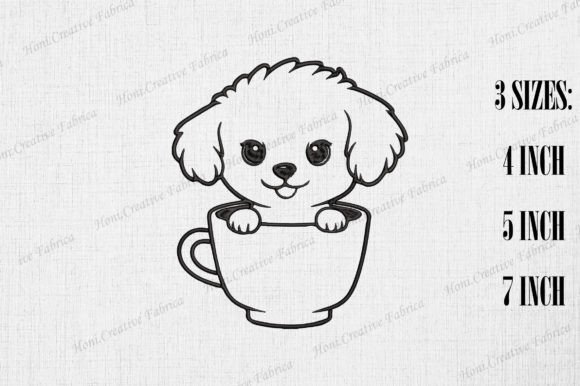
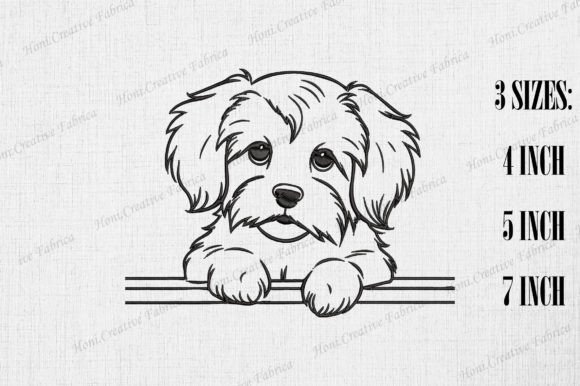
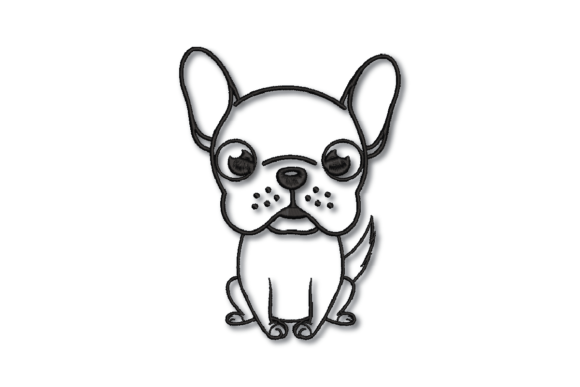
The immediate mood created by Dog Line is one of calm sophistication. The line work suggests movement without clutter, relying on the viewer’s eye to fill in the gaps. This kind of minimalism works exceptionally well for contemporary home decor and modern apparel. Unlike traditional Dogs themed Embroidery that might rely on heavy fill stitch areas to create fur texture, this design likely utilizes running stitch or light satin stitch elements to define form. This approach reduces bulk and allows the natural fabric texture to shine through, which is a hallmark of high-end handmade products.
For a designer, the layout is key. The spacing between lines appears deliberate, ensuring that the design breathes. This is vital because cramped designs often lead to puckering, especially on lighter materials. The visual personality here is versatile; it does not scream "novelty item" but rather suggests a curated, boutique feel. Whether you are branding a pet sitting service or creating a heartfelt gift for a dog lover, the understated elegance of this machine embroidery design elevates the perceived value of the finished product.
Real-World Application: The Custom Tote Bag Test
To truly evaluate an embroidery file, you must imagine it on a tangible product. I recently considered using Dog Line for a custom canvas tote bag project. Canvas is a sturdy fabric, but it can be unforgiving if the stitch density is too high. Because this design leans towards linear art, it performed beautifully. The stitches lay flat, avoiding the stiff, cardboard-like feel that plagues many commercial designs.
Imagine a customer walking into a local craft fair. They see a row of generic, brightly colored dog patches, and then they see a neutral-toned tote with Dog Line stitched in a contrasting charcoal thread. The latter speaks to a specific demographic: the modern consumer who values subtlety. This design fits seamlessly into categories like tote bag design, sweatshirt embroidery, and even minimalist nursery decor. It transforms a simple item into a statement piece without overwhelming the base material.
Versatility Across Product Lines
Beyond totes, this design shows promise in several other areas:
- Custom Apparel: On a heavyweight cotton sweatshirt, the design acts as a subtle chest logo, perfect for small business merchandise.
- Baby Embroidery: Soft, linear designs are ideal for baby clothes where comfort is paramount. Less bulk means less irritation against sensitive skin.
- Embroidered Patch: If digitized for a patch, the clean lines allow for crisp cutting edges, making it a strong candidate for iron-on or sew-on accessories.
- Holiday Embroidery: Pairing this design with seasonal colors can create unique holiday gifts that feel personal rather than mass-produced.
Technical Considerations and Fabric Choices
While Dog Line is visually appealing, its success depends heavily on execution. As the product description notes, any alteration on the files may affect the output. This is a critical reminder for designers who might be tempted to resize or tweak the digitization. Changing the scale of a line-art design can drastically alter the stitch density relative to the fabric, potentially causing gaps or overlaps that were not present in the original test.
When working with textured fabrics, such as linen or terry cloth, the clarity of the lines must be tested. A running stitch might get lost in a high-pile towel, whereas it would pop on smooth cotton. For dark fabrics, thread choice becomes paramount. You need high-contrast thread colors to ensure the design is visible. I recommend testing the design in black and white mockups first to check for legibility before committing to expensive threads.
Curved surfaces, like caps or hats, present another challenge. The design must be centered perfectly, and the stabilizer must be robust enough to prevent shifting. Since this is a line-based design, any distortion in the hoop will be immediately noticeable. Always use a cut-away stabilizer for stretchy fabrics and a tear-away for stable wovens to maintain the integrity of the lines.
Enhancing Brand Consistency and Customer Trust
For Etsy sellers and creative entrepreneurs, consistency is key to building a recognizable brand. Dog Line offers a cohesive look that can be applied across various design assets. Using the same stylistic approach for your printable mockup previews and your actual finished product builds trust. Customers know what to expect: clean, professional, and thoughtful design.
Moreover, the simplicity of the design allows for faster production times. Less stitching means less machine time, which can improve profit margins for small shop owners. However, speed should never compromise quality. Always run a sample of the files on the test fabric before stitching on the final garment. This step is non-negotiable for maintaining professionalism.
Practical Notes for the Embroidery Designer
Before you purchase or download this digital embroidery file, consider these practical steps to ensure success:
- Check Licensing: Confirm whether the license allows for commercial use if you plan to sell finished items. This is crucial for craft business compliance.
- Verify Hoop Size: Ensure the design fits within your available hoop sizes without excessive resizing, which can distort the aspect ratio.
- Test Stitch Density: Run a test on scrap fabric similar to your final product. Check for puckering or thread breaks.
- Evaluate Detail Level: Inspect small details under magnification. Are the lines continuous? Are there unnecessary jump stitches?
- Contrast Check: Test the design on both light and dark backgrounds to determine the best thread combinations for visibility.
In conclusion, Dog Line is a strong contender for designers looking to add a touch of modern minimalism to their portfolio. It respects the medium of Embroidery by utilizing the strengths of thread and fabric rather than fighting against them. For those creating personalized gift items or expanding their commercial embroidery offerings, this design provides a reliable, aesthetically pleasing option. Just remember to respect the original digitization, test thoroughly, and let the clean lines speak for themselves.