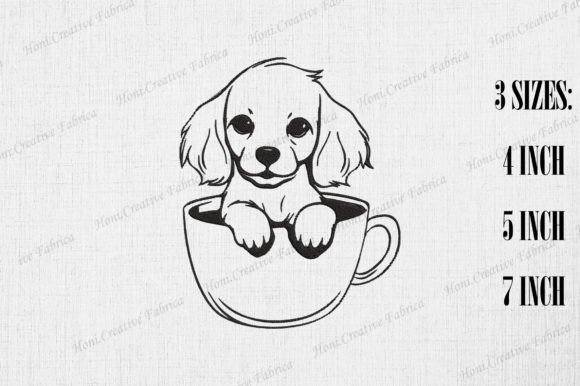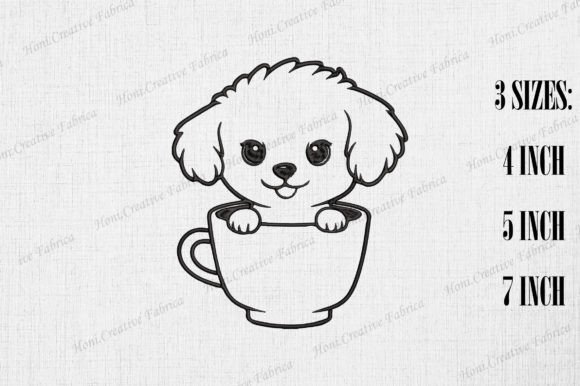
Cute Bichon Frise Dog in Coffee Cup: A Designer Review
As an embroidery designer who has spent years digitizing and testing files for commercial use, I approach every new machine embroidery design with a critical eye. It is not enough for a pattern to simply look cute on a screen; it must perform under the needle, withstand washing, and serve a strategic purpose for the business owner using it. Today, I am reviewing the Cute Bichon Frise Dog in Coffee Cup, a charming piece of digital art that holds significant potential for small business merchandise, branded patches, and custom apparel.
The first impression of this design is undeniably friendly and playful. The concept of a fluffy white dog nestled inside a warm beverage container evokes feelings of comfort, coziness, and joy. For brands in the pet industry, local cafés, bakeries, or boutique gift shops, this visual personality is a powerful asset. It does not scream "corporate" or "rigid." Instead, it suggests a handmade, approachable, and community-focused brand identity. When evaluating this for client projects, I see it as a tool to humanize a brand and create an emotional connection with customers who love animals and artisanal quality.
Real-World Applications for Small Business Merch
The versatility of the Cute Bichon Frise Dog in Coffee Cup makes it suitable for a wide range of commercial embroidery projects. For small business owners, particularly those on Etsy or running local creative studios, this design can elevate standard products into desirable, branded assets. Here is how I envision this design performing in real-world scenarios:
- Embroidered Patches: This is perhaps the strongest application. The contained shape of the coffee cup makes it ideal for a die-cut or merrowed edge patch. These can be sold as standalone accessories or used to brand tote bags and jackets without the need for direct embroidery on the final garment.
- Staff Uniforms and Aprons: For a pet grooming salon, a dog-friendly café, or a boutique bakery, embroidering this design on aprons creates a cohesive team look. It adds a touch of whimsy to staff attire, making employees appear more approachable to customers.
- Cap Embroidery: Placed on the front panel of a dad hat or baseball cap, this design serves as a subtle yet recognizable logo accent. However, curvature and fabric stability must be considered, which I will address later.
- Tote Bag Design: Canvas tote bags are a staple for handmade brands. A well-digitized version of this Bichon Frise can serve as the central graphic, turning a simple bag into a walking advertisement for your shop.
- Customer Gifts and Packaging Accents: Smaller versions of this design can be embroidered on thank-you cards, fabric tags, or small pouches included in online orders, enhancing the unboxing experience.
The key to success in these applications is consistency. Using the same embroidery file across different touchpoints strengthens brand recognition. Whether a customer sees it on a t-shirt, a towel, or a patch, the consistent visual language builds trust and professionalism.
Technical Considerations and Placement Strategy
While the aesthetic appeal is high, technical execution is where many businesses stumble. As a designer, I must warn against blindly trusting the preview image. The Cute Bichon Frise Dog in Coffee Cup features organic shapes—the fluff of the dog’s fur and the curve of the cup—which require careful attention to stitch density and thread colors.
When working with small patch sizes or cap fronts, detail loss is a common issue. If the design includes fine outlines or tiny details in the dog’s face, these may merge or break if the hoop size is too small or the stabilizer is insufficient. I always recommend testing the design on the actual fabric you intend to use. Fabric texture plays a massive role; a plush towel will absorb stitches differently than a tight-weave polo shirt. For textured fabrics like towels or fleece, you may need to adjust the underlay or increase stitch density slightly to ensure the design pops.
Dark uniforms present another challenge. If you are embroidering this on a black apron or navy work shirt, the white threads of the Bichon Frise must have high contrast. Ensure your digitizer has used proper satin borders or fill techniques to prevent the background fabric from showing through the white areas. Without proper coverage, the design can look sparse and unprofessional.
Impact on Brand Identity and Customer Trust
In the world of handmade products and small business merch, perceived value is everything. A sloppy embroidery job can detract from even the best product. Conversely, a crisp, clean execution of the Cute Bichon Frise Dog in Coffee Cup signals quality. It tells the customer that you care about the details. This attention to detail fosters customer trust and encourages repeat business.
Furthermore, this design supports a specific brand narrative. It positions your business as lighthearted, caring, and creative. For pet brands, it reinforces the love for animals. For cafes, it highlights the comfort of their offerings. This alignment between visual asset and brand values is crucial for effective marketing. When customers resonate with the imagery, they are more likely to engage with your content and purchase your goods.
Practical Designer Notes for Production
Before you load this digital embroidery file into your machine for a large production run, follow these essential steps to ensure a high-quality finished product:
- Test in Black and White First: Before committing to expensive colored threads, stitch out a monochrome version. This helps you evaluate the clarity of the shapes and the balance of positive and negative space without the distraction of color.
- Check Scalability: Verify if the design holds up at smaller sizes. If you plan to use it as a chest logo on a polo, ensure the details do not become cluttered. You may need a simplified version for smaller applications.
- Review Thread Color Contrast: Select thread colors that complement each other and the base fabric. High contrast is generally better for visibility, especially from a distance.
- Inspect Spacing and Density: Look for areas where stitches might bunch up or pull the fabric. Proper spacing prevents puckering, which is a common complaint in customer reviews.
- Confirm Hoop Size and Stabilizer: Use the correct hoop size to minimize re-hooping errors. Always use an appropriate stabilizer—cut-away for stretchy fabrics like t-shirts and tear-away for stable woven fabrics like canvas totes.
- Create a Printable Mockup: Before stitching, place the design on a digital mockup of your product. This allows you to visualize the final look and make adjustments to placement before wasting materials.
- Verify Commercial Licensing: This is critical. Ensure that the license accompanying the Cute Bichon Frise Dog in Coffee Cup allows for commercial use. Some designers restrict the number of physical items you can sell, while others offer unlimited commercial rights. Never assume; always read the terms.
Finally, remember that this design is part of a broader category of Dogs and Embroidery themes that are perennially popular. However, trends change. The timeless appeal of a pet combined with a daily ritual like coffee gives this design longevity. It is not just a trend; it is a classic motif that appeals to a broad demographic.
In conclusion, the Cute Bichon Frise Dog in Coffee Cup is a strong candidate for small business merchandise when handled with professional care. It offers a blend of charm and branding potential that can enhance product value and customer engagement. By paying attention to technical details like stitch density, fabric texture, and proper stabilization, you can transform this digital asset into a premium physical product. Whether you are creating custom apparel for a local cafe or branded patches for an online pet store, this design has the power to delight customers and strengthen your brand identity. Always prioritize quality control and licensing compliance to protect your business and deliver the best possible experience to your buyers.