Miniature Pinscher: A Designer’s Stitch Review
When I first loaded the Miniature Pinscher file into my digitizing software, I wasn’t just looking for a cute dog image. As an experienced embroidery product reviewer and designer, I look for structural integrity, stitch flow, and commercial viability. This lifelike portrait promises intricate detail, from expressive eyes to a distinct coat, but does it hold up under the needle? After running several test stitches on various fabrics, I can confidently say this design is a standout asset for anyone serious about high-quality machine embroidery design work.
First Impressions: Mood and Visual Personality
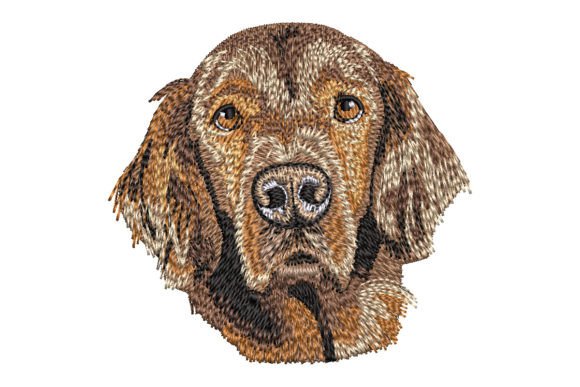
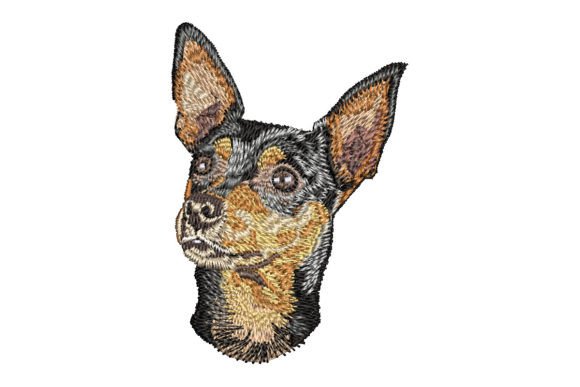
The immediate impression of the Miniature Pinscher design is one of alert elegance. The breed is known for its sleek, muscular build and confident demeanor, and this digital capture reflects that personality perfectly. It isn’t just a static image; it feels alive. For designers, this means the layout has a natural focal point—the eyes—which draws the viewer in immediately. In the world of Dogs themed Embroidery, capturing that spark of intelligence is often the difference between a generic product and a cherished keepsake.
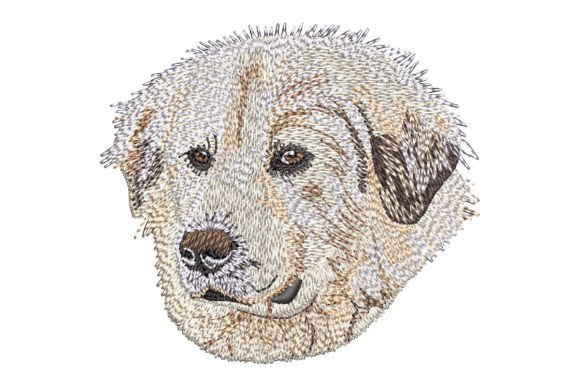
The level of detail suggests a sophisticated approach to digitizing. You can see the intention behind every path. The transition from the smooth, short hair of the body to the slightly textured areas around the face requires precise control of stitch density. If done poorly, this could look like a blob of thread. However, this design uses varied stitch types effectively, balancing satin stitch for sharp outlines and fill stitch for broader color areas, creating a realistic depth that mimics the actual coat texture.
Real-World Application: The Custom Tote Bag Test
To truly evaluate a design, you have to take it out of the screen and into the hoop. I recently used this embroidery file for a custom order: a heavy-duty canvas tote bag for a local pet boutique. The client wanted something that screamed "premium quality" to justify a higher price point. Here is where the Miniature Pinscher design proved its worth.
On the thick canvas, the design sat beautifully. The dense stitching provided enough structure to prevent the fabric from puckering, provided I used the correct stabilizer. I opted for a medium-weight cut-away stabilizer to support the detailed areas around the eyes and ears. The result was a crisp, clean image that didn’t sink into the weave of the fabric. Customers at the boutique were drawn to it immediately. It wasn’t just a logo; it was art. This kind of reaction is what drives sales for Etsy seller accounts and small shop product lines alike.
This versatility extends beyond totes. Imagine this as a centerpiece for sweatshirt embroidery. The contrast of the dark, sleek dog against a heather grey or navy fleece creates a striking visual. For custom apparel, the design’s clarity ensures it remains recognizable even from a distance. It also works exceptionally well as an embroidered patch. Because the edges are well-defined, cutting and finishing a patch with this motif results in a professional-grade accessory that can be ironed or sewn onto jackets, hats, or bags.
Navigating Fabric Challenges and Hoop Constraints
While the design is robust, it demands respect regarding fabric choice. Not every material is suitable for such intricate detail. When working with thin or stretchy fabrics, such as lightweight jersey for baby embroidery projects, caution is required. The stitch density here is moderate to high to achieve realism, which can cause pulling on delicate materials. If you are creating a personalized gift for a newborn, I recommend using a sturdy backing and perhaps scaling the design down slightly if the hoop size allows, though you must ensure the tiny details don’t become lost.
Curved surfaces present another challenge. Embroidering this on a cap requires careful hooping and potentially a foam underlay to lift the stitches off the fabric. The Miniature Pinscher’s distinct features, particularly the ears and muzzle, need to remain sharp. On a curved surface, distortion can occur if the tension isn’t perfectly balanced. I always advise testing on scrap fabric first, especially when moving from flat items like tote bag design projects to structured items like caps or pillows.
Dark fabrics are popular for dog portraits, but they require strategic planning. If you are stitching this on black or navy, you cannot rely on the fabric to show through for lighter areas. You must ensure the thread colors include enough highlights and mid-tones to create dimension. A flat, single-color fill will look amateurish. This design handles color blending well, but only if you use high-quality threads that reflect light differently, adding to the lifelike effect.
Commercial Value and Brand Consistency
For craft business owners, the visual appeal of a design directly impacts perceived value. A blurry or poorly stitched dog image suggests low effort. A crisp, detailed Miniature Pinscher suggests expertise. This builds customer trust. When clients see a finished product with clear eyes and defined fur texture, they are more likely to engage with your brand, leave positive reviews, and return for future purchases.
This design fits seamlessly into various commercial categories. It is ideal for holiday embroidery gifts, such as Christmas stockings or personalized ornaments. It works for nursery decor, adding a touch of warmth and personality to a child’s room. For commercial embroidery projects, such as branded merchandise for dog trainers or veterinarians, this design offers a professional look that aligns with high-end branding. It avoids the cartoonish look that can sometimes undermine professionalism in the pet industry.
Practical Designer Notes for Best Results
Before you commit to a large production run or a high-stakes client project, keep these practical tips in mind:
- Test on Scrap Fabric: Always run a test stitch on the exact fabric you plan to use. Check for puckering, thread breaks, or registration issues.
- Check Thread Contrast: Ensure your thread palette matches the natural coloring of a Miniature Pinscher or the specific request of your client. Poor color choices can flatten the image.
- Review Stitch Density: If your machine struggles with dense areas, consider adjusting the tension or using a finer needle to prevent thread buildup.
- Confirm Hoop Size: Verify that the design fits comfortably within your hoop, leaving enough margin for stable hooping without hitting the frame.
- Inspect Small Details: Zoom in on the eyes and nose in your software. Ensure the satin stitches are tight and the jump stitches are minimized.
- Mockup Testing: Create printable mockups in both black and white to see how the design holds up without color. This helps identify structural weaknesses.
- Licensing Verification: Always confirm the license terms of the digital embroidery file. Ensure you have the right to sell finished items or use it in commercial products before listing them on platforms like Etsy.
In conclusion, the Miniature Pinscher is more than just a pretty picture. It is a well-engineered design asset that, when used correctly, elevates any embroidery project. Whether you are making a personalized gift for a friend or stocking your online store with premium finished product inventory, this design offers the reliability and aesthetic appeal needed to succeed in today’s competitive handmade market. Treat it with the care it deserves, and it will deliver remarkable results.