Mylar Teapots: A Designer’s Review for Small Business Merch
As an embroidery designer who has spent years digitizing files and consulting with small business owners, I know that the right design can elevate a brand from amateur to professional in a single stitch. Recently, I had the opportunity to review Mylar Teapots, a collection that promises to bring extra sparkle to projects without the notorious headaches associated with metallic threads. For boutique owners, café operators, and Etsy sellers looking to expand their product lines, this set offers a compelling solution for creating eye-catching merchandise.
First Impressions: Balancing Elegance and Playfulness
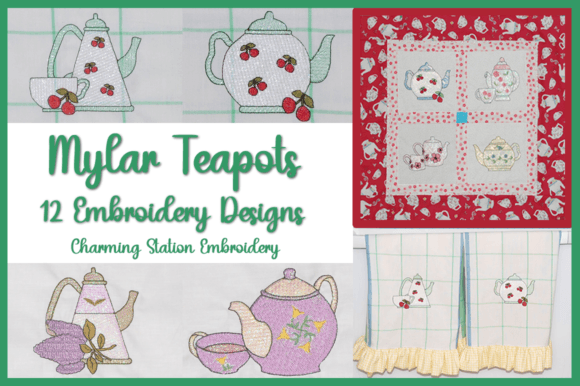
The first thing that strikes you about Mylar Teapots is its visual personality. The collection features twelve distinct teapot designs, each optimized specifically for Mylar application. In the world of Embroidery, achieving a metallic look often involves struggling with brittle metallic threads that break frequently, causing downtime and frustration. By utilizing Mylar, these designs bypass those technical pitfalls while delivering a premium, shimmering finish.
Aesthetically, the designs feel both classic and modern. They are not overly rustic, nor are they starkly minimal. Instead, they strike a balance that feels handmade yet polished. This versatility is crucial for brand identity. Whether you are running a high-end tea shop, a cozy bakery, or a creative studio, these motifs can adapt to your visual language. The sparkle adds a touch of luxury, suggesting that the finished product is of higher value, which is essential when trying to justify premium pricing on small business merch.
Real-World Applications for Branded Merchandise
When evaluating a new machine embroidery design, I always ask: "Where does this live on a product?" For Mylar Teapots, the applications are vast, particularly for businesses in the hospitality and lifestyle sectors. Here is how I envision these designs performing in a commercial setting:
- Staff Uniforms and Aprons: Imagine a local café where baristas wear crisp white or dark navy aprons. Placing a small, sparkling teapot design on the chest pocket or the upper corner of an apron embroidery project creates an instant uniform standard. It looks professional and reinforces the theme of the establishment without being overwhelming.
- Embroidered Patches: These designs are ideal for creating iron-on or sew-on patches. A patch allows for greater flexibility; you can produce them in bulk and apply them to various items later. This is perfect for pop-up events or seasonal promotions where you need quick turnaround times for custom apparel.
- Tote Bags and Canvas Goods: The description mentions using these for kitchen towels, which is a fantastic start. However, expanding into tote bags is a natural next step. A tote bag design featuring a shimmering teapot appeals to customers who love reusable, eco-friendly accessories. The Mylar element catches the light, making the bag stand out in a crowded market or craft fair.
- Cap Embroidery: For a more casual vibe, these teapots work well on dad hats or structured caps. The curvature of a cap front requires careful digitizing, but since these files are optimized for Mylar, they should handle the curved surface better than complex, high-density traditional fills.
Technical Considerations for Production
While the aesthetic appeal is strong, any experienced embroiderer knows that execution is everything. Before committing to a large production run, there are several technical factors to consider with Mylar Teapots.
Stitch Density and Fabric Texture: Mylar works by laying a sheet of reflective material under the stitches, which then poke through to reveal the shine. This means the stitch density must be precise. If the stitches are too sparse, the Mylar might shift or tear. If they are too dense, the fabric could pucker. I recommend testing these designs on the exact fabric texture you plan to use. Towels, as mentioned in the product description, have a looped texture that behaves differently than smooth cotton twill or polyester blends used in uniforms.
Stabilizer Selection: Because Mylar adds a layer of complexity, your choice of stabilizer is critical. For stretchy fabrics like t-shirts or soft aprons, a cut-away stabilizer is often safer to prevent distortion. For woven fabrics like canvas totes, a tear-away might suffice, but always test first. The goal is to keep the Mylar flat and secure during the stitching process.
Size and Detail: When scaling these designs down for small patches or cap embroidery, pay close attention to the fine details. Tiny outlines can get lost if the design is reduced too much. I advise creating a printable mockup at actual size to check legibility. If the teapot handles or spouts become indistinguishable blobs, you may need to simplify the design or increase the size.
Enhancing Brand Identity and Customer Trust
In the competitive landscape of handmade goods, consistency is key. Using a cohesive set like Mylar Teapots helps build a recognizable brand identity. When customers see the same high-quality, sparkling motif on your packaging, your staff uniforms, and your retail products, it builds trust. It signals that you care about the details.
Furthermore, the "sparkle" factor drives engagement. In social media marketing, items that catch the light perform better in photos and videos. A simple video of a tote bag moving in the sunlight, showcasing the Mylar teapot, can significantly boost buyer engagement compared to a flat, matte design. This visual appeal translates directly to perceived value, allowing small businesses to command higher price points for their handmade product offerings.
Practical Notes for the Embroidery Professional
Before you load this digital embroidery file into your machine for a client order, follow these best practices:
- Test in Black and White First: Run a test stitch-out using standard thread colors before introducing the Mylar. This helps you verify the hoop size requirements and ensures the design fits your intended placement without hitting the hoop edges.
- Check Thread Color Contrast: Mylar shines best when contrasted against darker or richly colored threads. Ensure your thread colors complement the reflective nature of the Mylar rather than competing with it.
- Verify Commercial Licensing: Always confirm the license terms included with the embroidery file. Ensure you have the rights to use the designs for commercial purposes, especially if you are selling the finished items or offering custom embroidery services.
- Create Client Mockups: Use digital tools to place the design on photos of real products. Show your clients how the Mylar Teapots will look on their specific merchandise before stitching begins. This manages expectations and reduces the risk of revisions.
In conclusion, Mylar Teapots is a versatile and professionally viable asset for small business owners and embroidery designers. It solves the technical challenge of metallic stitching while delivering a high-impact visual result. Whether used for commercial embroidery projects, boutique merchandise, or branded uniforms, this set offers a reliable way to add a touch of elegance and sparkle to your design assets. Just remember to test thoroughly, respect the material limitations, and let the shine do the talking.