Lady Bug Family: A Designer’s Review for Business Merch
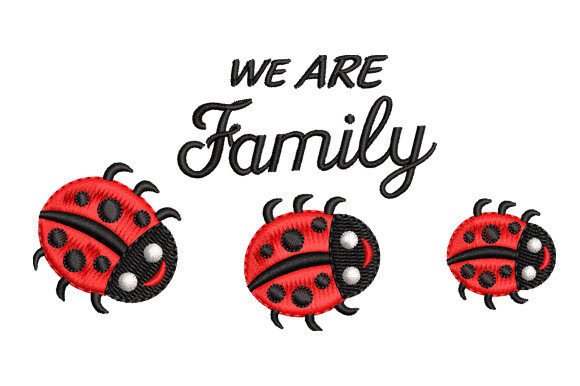
As an embroidery designer who has spent years digitizing and testing files for commercial use, I approach every new machine embroidery design with a critical eye. It is not just about whether a motif looks cute on a screen; it is about how it performs under the needle, how it holds up after washing, and most importantly, how it elevates a brand. Recently, I reviewed the Lady Bug Family design, and I want to share my professional assessment for small business owners, apparel decorators, and handmade brands considering this asset for their product lines.
First Impressions: Visual Personality and Brand Fit
The first thing that strikes you about Lady Bug Family is its inherent warmth. In a market saturated with minimalist, corporate-style logos, this design offers a refreshing touch of whimsy and nostalgia. It feels friendly, approachable, and distinctly handmade. For businesses in the family-oriented sector—such as bakeries, florists, pet brands, or boutique children’s clothing stores—this visual personality is a powerful asset. It does not scream "corporate"; instead, it whispers "community" and "care."
While the product category is listed under Family Quotes, the visual impact here is largely iconic. This versatility allows it to function as a standalone graphic or as a charming accent to text-based branding. The enchanting nature of the ladybug motif adds a creative flair that can soften the look of rigid uniform structures, making staff appear more approachable to customers.
Real-World Applications for Small Business Merch
When evaluating a digital embroidery file for commercial use, I always map out potential applications. Here is how Lady Bug Family performs across various merchandise types:
- Embroidered Patches: This is perhaps the strongest use case. The organic shapes of ladybugs translate beautifully into patch form. You can create iron-on or sew-on patches for tote bags, denim jackets, or laptop sleeves. These serve as excellent low-cost add-ons at checkout counters, increasing average order value.
- Apron Embroidery: For cafes, bakeries, and craft studios, branded aprons are essential. Placing the Lady Bug Family design on the chest pocket or lower corner of an apron adds a signature touch without overwhelming the garment. It reinforces brand identity every time a staff member interacts with a customer.
- Cap Embroidery: Caps are high-visibility items. However, the curved surface of a cap front requires careful placement. This design works well as a side-panel accent or a small center-front logo, provided the stitch density is managed correctly to prevent puckering.
- Tote Bag Design: Canvas totes are staples for eco-friendly brands. The contrast of colorful thread against natural canvas creates a rustic, premium feel. This design can serve as the central focal point for a limited-edition merchandise drop.
- Staff Uniforms and Work Shirts: For creative studios or local shops, a small embroidered logo on the sleeve or chest pocket of a polo shirt looks professional yet playful. It distinguishes your team from competitors wearing plain, unbranded attire.
Technical Considerations and Production Notes
While the aesthetic appeal is high, successful commercial embroidery relies on technical precision. Before running a full production batch, there are several factors you must evaluate with the Lady Bug Family file.
Stitch Density and Fabric Texture
Ladybugs often feature rounded shapes and potential fill stitches. If the stitch density is too high, the design can become stiff and may cause lightweight fabrics to pucker. I recommend testing the design on the exact fabric you intend to use. For textured fabrics like terry cloth or heavy canvas, you may need to adjust underlay stitches or use a cutaway stabilizer to ensure the design lays flat and remains durable through multiple wash cycles.
Scale and Legibility
One common mistake in using detailed designs is shrinking them too much. If you plan to use Lady Bug Family as a tiny chest logo, zoom in to check the smallest details. Are the outlines distinct? Will the threads merge into a blob at 1.5 inches wide? Always create a printable mockup at actual size to verify legibility. If the design includes fine lettering or intricate antennae details, ensure they are robust enough to survive the embroidery process without breaking needles or causing thread breaks.
Thread Color Contrast
The charm of this design lies in its color potential. Red, black, and white are traditional, but consider your brand palette. Does your brand identity allow for non-traditional colors? Perhaps a navy and gold version for a more premium look, or pastel tones for a spring collection. Test different thread colors on both light and dark fabrics. On dark uniforms, you may need to add a satin stitch border or use a lighter underlay to make the colors pop.
Enhancing Brand Identity and Customer Trust
In the world of small business merch, consistency is key. Using a cohesive design like Lady Bug Family across multiple touchpoints—from packaging accents to staff apparel—creates a memorable brand experience. Customers associate the quality of the embroidery with the quality of your service or products. A well-executed embroidered patch on a thank-you note or a free gift with purchase can turn a one-time buyer into a loyal advocate.
Furthermore, handmade products benefit immensely from visible craftsmanship. Unlike printed logos, embroidery adds texture and depth. It signals effort and attention to detail. When customers see the Lady Bug Family stitched onto a bag or apron, they perceive higher value. This perceived value allows you to command better pricing for your custom apparel and accessories.
Practical Steps Before You Stitch
Before you integrate this design into your workflow, follow these designer-approved steps:
- Check the Specs: The product description notes versatility, but it does not specify exact stitch counts, file formats, or hoop sizes. Always verify these details with the seller. Ensure the file format is compatible with your embroidery machine (e.g., PES, DST, EXP).
- Review Licensing: Confirm that the license covers commercial use. Most digital files allow for selling finished physical products, but restrictions may apply to mass production or sharing the digital file itself.
- Create a Mockup: Use design software to place the Lady Bug Family graphic on photos of your actual products. This helps visualize scale and placement before wasting thread and fabric.
- Test on Scrap Fabric: Never run a new design on final product material without a test. Check for tension issues, thread breaks, and registration accuracy.
- Evaluate Hoop Size: Ensure the design fits comfortably within your available hoop size, leaving enough margin for clamping and stabilization.
Final Verdict
The Lady Bug Family embroidery design is a strong contender for businesses looking to inject personality into their merchandise. It bridges the gap between professional branding and handmade charm. Whether used for apron embroidery in a local cafe, patches for an Etsy shop, or accents on tote bags, it offers significant versatility. However, its success depends entirely on proper technical execution. By paying attention to stabilizer choice, thread contrast, and scale, you can transform this simple digital asset into a powerful tool for customer engagement and brand recognition.
For embroidery shops and merch creators, this design represents an opportunity to diversify product offerings with minimal risk. It is not just a decoration; it is a strategic element of your visual communication. Treat it with the care it deserves, and it will undoubtedly add that extra special touch to your fabric and your brand.