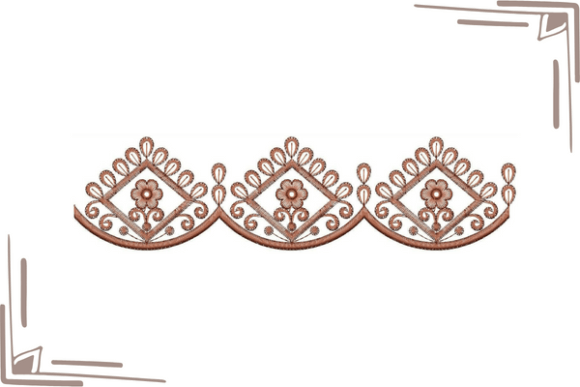
Mexican Style Cut Work Border Review
As an embroidery designer who has spent years digitizing and testing files for commercial use, I approach every new machine embroidery design with a critical eye. It is not just about aesthetics; it is about functionality, durability, and brand impact. Recently, I reviewed the Mexican Style Cut Work Border, a piece that promises to bring a vibrant, handcrafted feel to various textile applications. For small business owners, Etsy sellers, and apparel decorators, understanding how this design performs in real-world scenarios is crucial before adding it to your library of design assets.
First Impressions: Visual Personality and Appeal
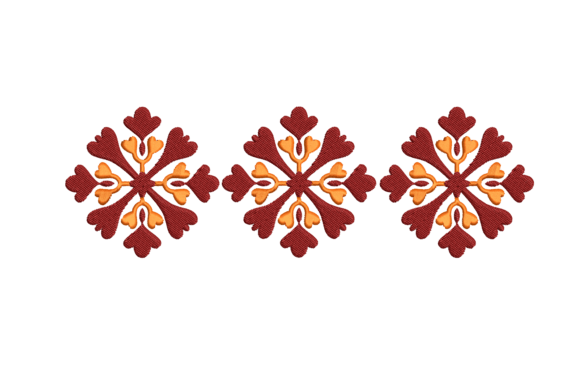
The first thing that strikes you about the Mexican Style Cut Work Border is its inherent warmth and cultural richness. It does not feel sterile or overly corporate. Instead, it exudes a friendly, rustic, and handmade charm that aligns perfectly with the current consumer demand for authentic, artisanal products. The description notes that it is beautifully embroidered on any fabric, suggesting versatility. Visually, the cut work technique implies depth and texture, creating a lace-like effect that elevates simple textiles into premium items.
For brands focusing on organic, bohemian, or heritage-inspired aesthetics, this border offers an immediate visual hook. It feels decorative yet structured, making it suitable for both modern and classic interpretations of folk art. However, the complexity of cut work means that the thread colors and fabric choice will dramatically alter its final appearance. A high-contrast thread on a dark background will make the details pop, while tonal stitching on linen might offer a subtle, elegant finish.
Real-World Business Applications
When evaluating a digital embroidery file for commercial use, I always ask: "Where does this add value?" The Mexican Style Cut Work Border is categorized under Borders, which makes it incredibly versatile for framing and accenting. Here is how I envision it performing in a small business context:
- Custom Apparel and Uniforms: This design shines on aprons for bakeries, florists, or cafes. Placing the border along the hem or pocket edge of a canvas apron adds a touch of sophistication that standard logo embroidery often lacks. It transforms a uniform into a statement piece that customers notice and appreciate.
- Embroidered Patches: Cut work designs can be tricky on patches due to the open spaces, but if stabilized correctly, this border makes for a stunning iron-on or sew-on patch. It works well as a sleeve detail on denim jackets or as a chest accent on work shirts, providing a unique texture that stands out in a crowded market.
- Tote Bag Design: Canvas tote bags are a staple for boutique merchandise. Using this border along the top edge or bottom seam of a tote bag creates a finished, high-end look. It reinforces the idea of a handmade product, encouraging buyers to perceive higher value in the item.
- Home Decor and Gifts: As suggested by the product description, pillows and towels are ideal candidates. For a local bed-and-breakfast or a home goods store, embroidering this border on pillowcases or hand towels creates a cohesive, inviting atmosphere that enhances guest experience and brand recall.
Technical Considerations for Production
While the aesthetic appeal is strong, the technical execution of cut work requires careful attention. As a designer, I advise caution when applying this design to certain surfaces. Cut work involves removing fabric or creating open spaces, which relies heavily on the stability of the base material and the backing used.
Fabric texture plays a significant role. Tight-weave fabrics like poplin, canvas, or denim are ideal because they hold the stitches securely without fraying excessively into the cut areas. Loose weaves or stretchy knits may require additional stabilization or might not be suitable for this specific technique without extensive testing. Furthermore, the stitch density must be balanced. If the density is too low, the border may look sparse; if too high, it could pucker lightweight fabrics.
For those considering cap embroidery, proceed with care. The curved surface of a cap front can distort intricate borders. It is essential to check the hoop size compatibility and ensure the design fits within the usable area of the cap without wrapping around the sides where distortion occurs. Similarly, for small patch sizes, the fine details of the cut work might get lost. Always create a printable mockup at actual size to verify legibility and impact before running a production batch.
Impact on Brand Identity and Customer Trust
Incorporating the Mexican Style Cut Work Border into your small business merch strategy does more than just decorate a product; it communicates brand values. It signals attention to detail, appreciation for craftsmanship, and a willingness to invest in quality. In an era of mass-produced goods, embroidered details serve as a tactile reminder of the human touch behind the brand.
This consistency in visual presentation builds customer trust. When a customer receives a tote bag or apron with such intricate detailing, they perceive the brand as premium and thoughtful. This perception can justify higher price points and foster loyalty. Moreover, unique embroidery designs become recognizable brand signatures. Over time, customers may associate this specific floral or geometric motif with your business, enhancing brand identity and recognition.
Designer Notes for Best Results
To ensure the success of this design in your commercial embroidery projects, follow these practical steps:
- Test on Real Fabric: Never skip the sampling phase. Stitch the design on the exact fabric you plan to use for production. Check for puckering, thread breaks, or fabric pull.
- Use Proper Stabilizer: Cut work demands robust support. Use a cut-away stabilizer for garments that will be washed frequently, as it provides lasting stability. For temporary items, a heavy tear-away might suffice, but test thoroughly.
- Check Thread Contrast: Experiment with different thread combinations. High contrast highlights the cut work effect, while monochromatic schemes offer subtlety. Ensure the colors align with your brand palette.
- Verify Licensing: Before using any embroidery file for commercial purposes, confirm the license terms. Ensure you have the right to sell products featuring this design to avoid legal issues.
- Inspect Spacing: Look closely at the spacing between stitches in the cut areas. If the gaps are too wide, the fabric may fray unpredictably. If they are too narrow, the cut effect may not be visible.
In conclusion, the Mexican Style Cut Work Border is a powerful tool for designers and business owners looking to add character and value to their products. It bridges the gap between traditional craftsmanship and modern branding. By understanding its technical requirements and strategic applications, you can leverage this design to create memorable, high-quality merchandise that resonates with your audience. Always prioritize testing and quality control to ensure that the finished product meets the high standards your customers expect.