Reviewing the Blade Runner Excavator for Holiday Sales
As an embroidery designer who spends countless hours digitizing and testing files, I approach every new machine embroidery design with a critical eye. It is not just about whether the stitches look good on my test fabric; it is about whether the design will sell in a crowded seasonal market. When I first loaded the Blade Runner Excavator onto my machine, I was looking for more than just technical precision. I was looking for a product that could anchor a specific niche within my holiday and seasonal collections. This design, categorized under Work and Embroidery, offers a unique blend of industrial strength and playful charm that can be surprisingly versatile if marketed correctly.
First Impressions: Modern Aesthetics Meets Seasonal Charm
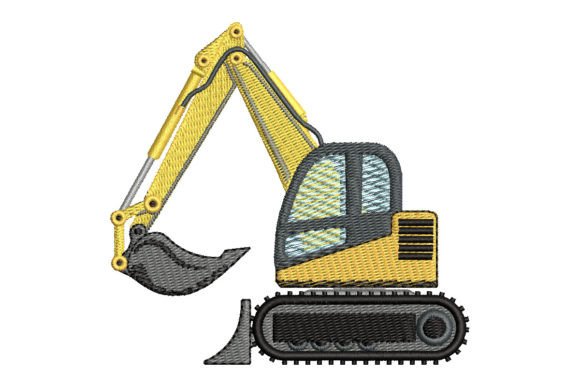
The Blade Runner Excavator immediately strikes a balance between rugged functionality and modern aesthetics. For those of us creating seasonal embroidery products, finding designs that appeal to specific interests without feeling overly generic is a challenge. This design captures the essence of construction machinery with meticulous detail. It does not feel like a cartoonish afterthought; rather, it feels like a tribute to the power and engineering of heavy equipment.
In terms of emotional tone, the design leans towards the playful yet premium side. It is not necessarily "cozy" in the traditional sense of snowflakes or reindeer, but it taps into the excitement of childhood wonder and the pride of skilled labor. This makes it an excellent candidate for holiday embroidery projects targeting families, particularly those with children who are obsessed with trucks and construction sites. The decorative style is clean and bold, which means it reads well from a distance, a crucial factor for items like sweatshirts and tote bags that are often viewed in motion or from across a room.
Strategic Product Placement for the Holiday Rush
When planning a seasonal shop collection, context is everything. The Blade Runner Excavator is not just a standalone image; it is a centerpiece for a variety of handmade gift ideas. Here is how I envision this design performing in real-world selling situations:
- Sweatshirt Embroidery: This is perhaps the most obvious and profitable application. A high-quality hoodie featuring this excavator design makes for a perfect personalized gift for young builders or construction enthusiasts. The bold lines of the design hold up well against the textured fabric of fleece or cotton blends.
- Tote Bag Design: For the parents or grandparents who appreciate the theme, a sturdy canvas tote with this embroidery adds a touch of whimsy to grocery runs or library visits. It transforms a utilitarian item into a statement piece.
- Kitchen Towel Embroidery: While less traditional for heavy machinery, placing this design on a set of kitchen towels can create a humorous and charming gift set for a new home or a housewarming present during the holiday season.
- Embroidered Patch: Creating iron-on or sew-on patches allows customers to customize their own jackets, backpacks, or lunchboxes. This lowers the barrier to entry for buyers who may not want a full garment but still want to showcase their love for construction vehicles.
- Pillow Cover: For nursery decor or a child’s playroom, a pillow cover featuring the excavator adds a thematic touch that is durable and washable, unlike printed fabrics that may fade.
For Etsy seller accounts and small business owners, these applications allow for bundle creation. Imagine offering a "Little Builder" bundle that includes a sweatshirt and a matching tote bag. These bundles increase average order value and make for compelling social media previews and printable mockup graphics that stand out in a feed full of traditional holiday motifs.
Navigating Technical Challenges and Fabric Choices
While the Blade Runner Excavator is versatile, it requires careful handling to ensure the finished product meets professional standards. As designers, we must be honest about where this design might face challenges. The intricate details that capture the "modern aesthetics and functionality" of the vehicle mean that stitch density is a critical factor. If you are stitching on stretchy garments or thin fabrics, improper stabilization can lead to puckering or distortion of the excavator’s sharp lines.
I recommend using a cut-away stabilizer for knit fabrics like sweatshirts to provide long-term support. For woven fabrics like tote bags or kitchen towels, a tear-away might suffice, but always test first. Additionally, consider the hoop size required. While the exact dimensions are not specified in the basic description, detailed vehicle designs often require a medium to large hoop to maintain clarity. Attempting to shrink this design too much for a small pocket or a tiny ornament could result in lost detail, where the individual components of the excavator merge into a blob of thread.
Color selection is another pivotal decision. The design likely relies on contrasting thread colors to define the shape of the excavator. On dark fabrics, you may need to adjust the color palette or use an underlay stitch strategy to ensure the design pops. Metallic threads could add a premium feel to the mechanical parts, but they require slower stitching speeds and careful tension adjustments to prevent breakage. Always check the fabric texture; looped towels can swallow small stitches, so increasing the stitch length or simplifying the design for such items might be necessary.
Enhancing Brand Consistency and Customer Trust
Incorporating the Blade Runner Excavator into your lineup does more than just add another product; it signals to your customers that you understand niche interests. For commercial embroidery businesses, this specificity builds trust. Customers are more likely to return to a shop that offers high-quality, specialized designs rather than generic clipart-style embroidery. When you present this design with professional mockups and clear care instructions, you elevate the perceived value of the item.
During the holiday shopping period, engagement drives sales. Use this design to create content that resonates with your audience. Share behind-the-scenes videos of the embroidery process, highlighting the precision of the stitches. Show the design on various items to demonstrate its versatility. This transparency not only showcases the quality of your digital embroidery file work but also helps customers visualize the product in their own lives.
Practical Designer Notes for Success
Before you launch this design in your seasonal collection, take these practical steps to ensure success:
- Test on Multiple Fabrics: Stitch the design on both light and dark fabrics to determine the best thread color combinations. Pay attention to how the colors interact with the background.
- Verify File Details: Since the specific stitch count, file format, and exact hoop size are not provided in the brief description, you must check these details in the actual file metadata before purchasing or listing. Ensure the format matches your machine’s capabilities.
- Check Licensing: Confirm the commercial licensing terms. Ensure you have the right to sell finished products made with this design, especially if you are planning a large-scale holiday drop.
- Create Realistic Mockups: Use high-quality images that show the texture of the embroidery. Avoid overly filtered photos that misrepresent the true look of the stitches.
- Plan Color Palettes: Consider offering variations. A classic yellow and black excavator is standard, but what about a winter-themed version with cool blues and whites? Or a pastel version for a baby shower gift?
The Blade Runner Excavator is a strong contender for any designer looking to expand their Work and industrial-themed offerings. It bridges the gap between functional appreciation and festive gifting. By paying attention to the technical nuances of embroidery production and strategically positioning the design within your holiday marketing, you can create a product line that is both visually striking and commercially viable. Remember, the key to successful seasonal sales is not just the design itself, but how well you adapt it to meet the emotional and practical needs of your customers.