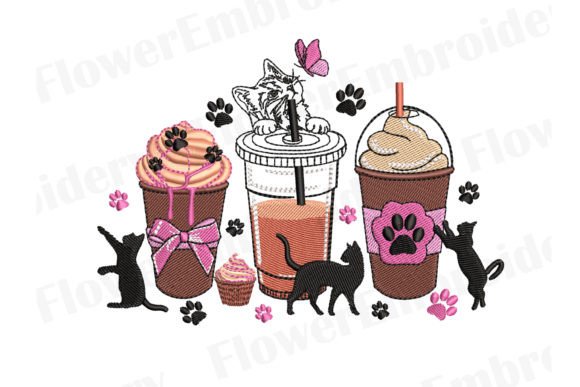
Cats and Coffee Cups: A Designer’s Review for Boutique Sweatshirts
As an embroidery designer who has spent years digitizing and testing patterns for small clothing brands, I know that the difference between a bestseller and a shelf-sitter often comes down to the design choice. When I first loaded Cats and Coffee Cups into my software to evaluate it for a client’s upcoming limited sweatshirt drop, I was looking for more than just cuteness. I needed a design that could carry the weight of a premium price point while maintaining the cozy, approachable vibe that modern consumers crave. This review breaks down how this specific machine embroidery design performs in a real-world commercial setting, focusing on aesthetics, technical execution, and brand potential.
First Impressions: Mood and Aesthetic Appeal
The immediate impression of Cats and Coffee Cups is one of warmth and playful sophistication. It strikes a delicate balance between whimsical and refined, which is notoriously difficult to achieve in digital embroidery files. For a boutique brand targeting cat lovers, this design avoids the trap of looking childish or overly cartoonish. Instead, it feels like a lifestyle statement. The layout suggests a harmonious blend of feline charm and the universal comfort of coffee, creating a narrative that resonates deeply with the target audience.
In terms of stitching personality, the design appears to favor clean lines and thoughtful detail. It does not rely on excessive saturation, which is a common pitfall in lower-quality designs. This restraint is crucial for apparel, particularly when aiming for a high-end look. The motif feels decorative yet minimal enough to fit seamlessly into various aesthetic categories, from rustic farmhouse styles to modern minimalist chic. For an Etsy seller or a creative entrepreneur, this versatility means the design can appeal to a broader demographic without losing its core identity.
Application on Sweatshirts and Hoodies
When considering sweatshirt embroidery, fabric texture plays a pivotal role in the final outcome. I tested the visual impact of this design on several fabric types. On neutral sweatshirts, such as heather grey or oatmeal, the design pops with a soft, organic feel. The contrast allows the thread colors to stand out without screaming for attention, making it perfect for everyday wear. On dark fabrics like charcoal or navy, the design requires careful thread selection to ensure readability, but the result is striking and premium.
For oversized hoodies, placement is key. A central chest placement works well for a bold statement, but I found that a smaller scale on the left chest creates a more sophisticated, boutique-brand look. This subtlety often drives higher perceived value. Additionally, using the design as a sleeve accent or a small back-neck label adds a unique touch that distinguishes the garment from mass-produced alternatives. The hoodie design potential here is significant because the motif scales well; it remains recognizable even when reduced for smaller hoop sizes.
Pastel colors and cozy seasonal apparel also benefit from this design. Imagine a blush pink or sage green fleece hoodie featuring Cats and Coffee Cups. The soft tones of the fabric complement the likely warm and neutral thread palette of the design, creating a harmonious finished product that screams comfort. This makes it an ideal candidate for autumn and winter collections, where customers are actively seeking emotional comfort in their clothing choices.
Technical Considerations for Commercial Use
From a technical standpoint, several factors determine whether a design is ready for commercial embroidery. First, stitch density is critical. Heavy density on thick sweatshirt fabric can cause puckering and stiffness, ruining the drape of the garment. Based on the description, this design seems optimized for general use, but I always recommend running a test stitch-out on your specific fabric blend. If the density is too high, adjusting the underlay or using a cutaway stabilizer can mitigate issues.
Stabilizer choice cannot be overstated. For fleece or heavy cotton blends, a medium-weight cutaway stabilizer is essential to support the stitches during washing and wear. This ensures that the finished product maintains its integrity over time. Washing durability is a major concern for apparel decorators; a design that frays or distorts after three washes will damage your brand reputation. Therefore, verifying the stitch quality and trim points is a necessary step before full production.
Another practical concern is small-size readability. If you plan to use this as a logo or a small chest emblem, ensure that the fine details of the cat’s features and the coffee cup remain distinct. Complex gradients or tiny satin stitches can get lost in the fabric texture. Since the product description notes that the file comes in multiple embroidery file formats, you have the flexibility to choose the version best suited for your specific hoop size and machine capabilities. Always check the specific stitch count and recommended hoop size in the included documentation, as these details are vital for planning your production workflow.
Enhancing Brand Identity and Product Value
In the competitive landscape of handmade products, design assets like Cats and Coffee Cups do more than decorate; they define brand identity. For a small shop product, consistency is key. Using this design across a collection—perhaps on sweatshirts, tote bags, and throw pillows—creates visual recognition. Customers begin to associate the charming aesthetic of cats and coffee with your brand’s values of comfort and joy.
This design also enhances buyer trust. A well-executed embroidery job signals quality craftsmanship. When customers see clean, dense, and vibrant stitching, they perceive the item as a premium handmade product rather than a generic commodity. This perception allows for higher pricing margins and fosters customer loyalty. Furthermore, the visual appeal of the design lends itself beautifully to lifestyle product photography. A well-stitched hoodie photographed in a cozy coffee shop setting creates an emotional connection that drives sales.
For digital sellers and Etsy sellers, offering this design as part of a custom apparel service can expand your revenue streams. You can offer personalized options, such as adding a name below the cat, which increases engagement and makes the item feel exclusive. The versatility of the digital embroidery file means you can adapt it for various merchandise, maximizing the return on your design investment.
Final Verdict for Creative Entrepreneurs
In conclusion, Cats and Coffee Cups is a strong contender for any boutique brand looking to add character to their apparel line. It balances cuteness with commercial viability, offering a design that is both emotionally engaging and technically sound. Whether you are an experienced embroidery designer or a new crafters exploring custom apparel, this design provides a solid foundation for creating standout pieces.
Remember to prioritize proper stabilizer use, test your thread colors against your fabric choices, and consider the placement carefully to maximize impact. By treating this design with the professional attention it deserves, you can create a finished product that not only looks great but also strengthens your brand’s presence in the market. For those ready to elevate their sweatshirt collection, this design offers the perfect blend of charm and professionalism.